Your Result

You are the Disciplinarian.
You care deeply about your child’s future. You want them to grow into someone strong, capable, and respectful — someone who can hold their own in a world that isn’t always kind.
You believe boundaries are love, that discipline is how you prepare your child for real life. So you set the rules, enforce the consequences, and try to teach them how the world works.
But somehow, it’s not landing.
The more you hold the line, the more your kid pushes back. You find yourself caught in power struggles that leave everyone frustrated.
You might even feel misunderstood — by your child, your partner, or both. They see you as too harsh or controlling, while you feel like the only one taking responsibility for preparing your kid for life.
Beneath the anger or exasperation, there’s something else: worry. You’re afraid that if you ease up, your child won’t learn what they need to survive and thrive.

The Cost
The Disciplinarian believes that control creates safety — but the harder you push for control, the more connection erodes. You end up feeling disrespected, unseen, and isolated in your own family. You might notice resentment simmering between you and your child, or tension building between you and your co-parent. The household starts to feel like a battlefield instead of a team. Deep down, you’re doing what you think is right, but the more you focus on compliance, the further away you feel from the closeness you actually crave.
Your True Desire
What you really want is respect that comes from connection, not fear. You want to guide your child in a way that helps them become resilient and responsible — without losing your relationship in the process. You long for a family dynamic where your child actually listens because they trust you, not because they’re scared of you. You want to be both firm andloving, to hold authority without losing warmth.

Your True Desire
What you really want is respect that comes from connection, not fear. You want to guide your child in a way that helps them become resilient and responsible — without losing your relationship in the process. You long for a family dynamic where your child actually listens because they trust you, not because they’re scared of you. You want to be both firm andloving, to hold authority without losing warmth.

Your Invitation
The truth is: boundaries work best when they grow out of connection. Your authority isn’t something you have to enforce — it’s something your child feels when they feel safe with you. When you listen, empathize, and connect first, the rules you set start to make sense to your child, because they can feel that those boundaries exist to protect, not punish.
This shift isn’t about letting go of your standards; it’s about pairing them with compassion. When you lead with understanding, your child stops seeing you as the enemy. They start to trust your guidance — and you get to experience the respect that comes naturally from mutual trust, not power struggle.
You’ve worked so hard to give your child structure, guidance, and a solid foundation — and that commitment is a strength. But when your child keeps pushing back, when respect feels harder and harder to access, it’s a sign that the old tools simply aren’t getting you where you want to go.
If you’re longing for a home where your child listens because they feel connected to you — not because they’re afraid of consequences — then it’s time for a new approach.
This is what we do inside my self-paced workshop, How to Create Cooperation on Demand Using Connection (Not Coercion!)!
We rebuild the bridge between structure and connection — the sweet spot where your authority and your love finally work together.
You don’t have to stop being firm. You just need to temper your firmness with empathy, connection, and a little dash of playfulness.

Introducing...
How to Create Cooperation on Demand Using Connection (Not Coercion!)
In this workshop, I will show you EXACTLY how to get your kid to do what you want them to do, when you want them to do it, using connection instead of coercion.
The big mistake parents are making is thinking they have to control their child’s behavior. When their child doesn’t do what they’re told the first time, parents resort to bribery, punishment, coercion, cajoling, or even just straight-up begging!
Parents hate to admit this, but they want kids to do what they’re told to do. They want their kids to “listen” (ahem…obey!) But they don’t want to be mean or scary or do something that will damage their relationship.
I will teach you how to have both – a cooperative kid AND your relationship intact.

Introducing...
How to Create Cooperation on Demand Using Connection (Not Coercion!)
In this workshop, I will show you EXACTLY how to get your kid to do what you want them to do, when you want them to do it, using connection instead of coercion.
The big mistake parents are making is thinking they have to control their child’s behavior. When their child doesn’t do what they’re told the first time, parents resort to bribery, punishment, coercion, cajoling, or even just straight-up begging!
Parents hate to admit this, but they want kids to do what they’re told to do. They want their kids to “listen” (ahem…obey!) But they don’t want to be mean or scary or do something that will damage their relationship.
I will teach you how to have both – a cooperative kid AND your relationship intact.
Get the workshop for only $17!
In this workshop, I will teach you:
How to stop controlling and start connecting
How to get your child to listen WITHOUT yelling, bribing, or manipulating
The most effective tool for eliciting cooperation
Grab the Workshop and Get:
⭐ Module 1: Welcome
⭐ Module 2: What Kids Can and Cannot Do
⭐ Module 3: What Can You Do?
⭐ Module 4: Empowering Toddlers
⭐ Module 5: Managing Your Own Energy
Get The Workshop Today For
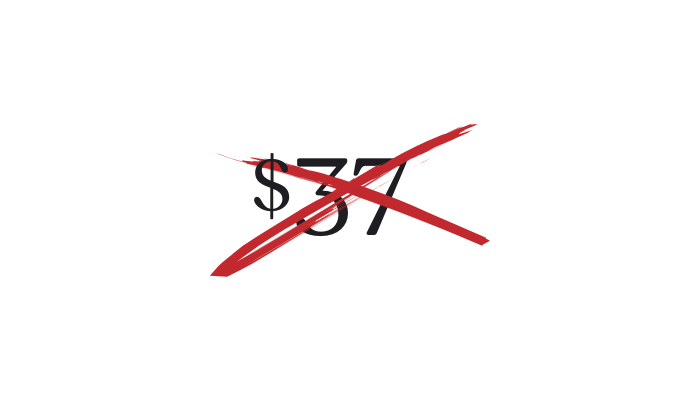
Just $17