Your Result

You are the Fixer.
You want your child to feel loved, safe, and cared for — maybe in all the ways you didn’t. You’re the parent who stays up late finishing the school project, smoothing every rough edge, anticipating every possible meltdown before it happens. You give and give, because you love deeply. You want your child to have the best life possible, free from unnecessary pain or struggle.
But no matter how much you do, it never feels like enough.
You find yourself exhausted, burned out, and maybe even resentful — wondering why, after all your effort, things still feel hard.
The truth is, you’re constantly managing the emotional weather in your home, trying to prevent the storms before they start. You hate seeing your child upset, and you’ll do almost anything to make the big feelings go away — theirs and yours. But that relentless fixing keeps you both stuck in the same cycle.

The Cost
All that caretaking comes at a cost. You end up depleted, overwhelmed, and quietly resentful — giving more than you actually have to give. And your child, without meaning to, misses the chance to learn how to handle life’s bumps. Every time you step in to fix, you unintentionally teach them that discomfort is dangerous, and that someone else will handle it for them. You’re trying to protect them from pain — but it keeps you both from discovering resilience.
Your True Desire
What you really want is for your child to be okay — not just comfortable, but capable. You want to trust that they can handle life’s ups and downs, and to feel peaceful knowing you don’t have to carry everything alone. Beneath the exhaustion is a longing to relax, to breathe, to trust that love doesn’t require constant labor. You want connection that’s mutual, not one-sided — where both of you feel safe, supported, and strong.

Your True Desire
What you truly want is to be the calm in the storm, to stay grounded and steady no matter how big your child’s emotions get. You want to feel capable, confident, and emotionally present, to know you can handle anything that comes up. Beneath all the reactivity is a deep longing to connect with your child in a way that feels peaceful and safe for both of you.

Your Invitation
Your instinct to care isn’t the problem — it’s your gift. But real care doesn’t mean preventing every storm; it means being the safe harbor during it. The next time your child is upset, try pausing before jumping in. Breathe. Let the discomfort exist. Trust that your child can feel hard things and survive them — and that you can, too.
When you stop trying to manage every emotion, you make space for real connection. You teach your child that it’s okay to struggle, that feelings aren’t emergencies, and that love doesn’t disappear when things get messy. You stop being the fixer and start being the anchor.
Here’s what I want you to know — the thing I tell my clients all the time:
Parenting is tricky because you’re both the one who holds the boundary and the one who empathizes with the disappointment.
And you’re really, really good at the empathy part.
But peacekeeping that means always saying yes — or never feeling safe to say no — is unsustainable.
And you already know it’s not really working.
Your heart is in the right place. You just need deeper support and a different set of tools.
The good news is, those tools are available inside my self-paced, recorded workshop, Understanding Your Child’s Brain So You Can More Effectively Manage their Behavior.

Introducing...
Understanding Your Child’s Brain So You Can More Effectively Manage their Behavior
Kids do some crazy things that sometimes make parents REALLY MAD or frustrated.
The big mistake most parents make is thinking their child is acting that way on purpose.
Some parents even think their kid is TRYING to make them mad!
I’ll let you in on a little secret: they’re acting that way because of their brains!
Little people have brains that are still developing and sometimes they actually cannot control their own behavior. (We have to help them.)

Introducing...
Understanding Your Child’s Brain So You Can More Effectively Manage their Behavior
Kids do some crazy things that sometimes make parents REALLY MAD or frustrated.
The big mistake most parents make is thinking their child is acting that way on purpose.
Some parents even think their kid is TRYING to make them mad!
I’ll let you in on a little secret: they’re acting that way because of their brains!
Little people have brains that are still developing and sometimes they actually cannot control their own behavior. (We have to help them.)
Get this workshop for only $17!
In this workshop, I will teach you:
All about “brain states” and why they matter in parenting
How to respond to your kid when they are in each brain state
How to manage your child’s challenging behaviors more effectively
Grab the Workshop and Get:
⭐ Module 1: Paradigm Shift
⭐ Module 2: Three Brain States
⭐ Module 3: What Can I Do?
⭐ Module 4: What’s Happening for You
⭐ Module 5: What Is Integration?
PLUS Bonus Pre-recorded Q&A sessions:
⭐️ Q&A: Independent Play
⭐️ Q&A: Whining Is Super Annoying!
Get the Workshop Today For
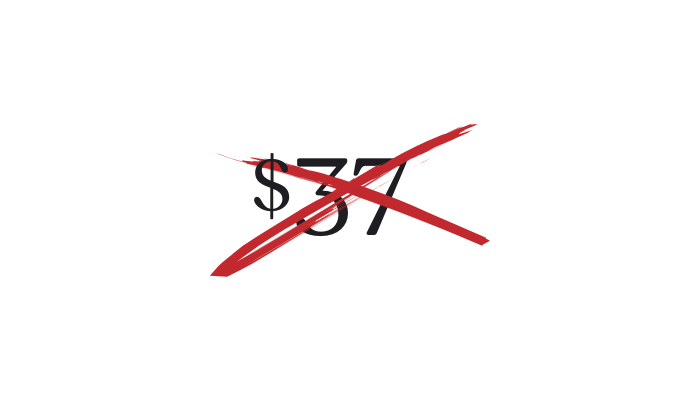
Just $17